



The footprint of our
global network
With physical offices around the world and the ability to deliver in 37 languages, we deliver learning to a consistent global standard while adapting to local cultures and the specific needs of your learners.

Our array of content & flexibility to customise solutions
We are proud to have a toolkit of high quality, research-based solutions that are proven work. At the same time, we have the ultimate flexibility to customise learning content to your business reality and requirements.
That way, our solutions specifically address your needs, while minimising the needs for (and cost of) bespoke learning design.

Our commitment to quality & consistency
From a single day’s training to a global intervention for thousands, we are committed to delivering lasting impact for every individual and organisation we work with.
We deliver programmes of all different sizes on time, to a high quality and with the latest in learning design and delivery.

The partnership we build with our clients is unique and delivers:
- Revenue growth – by building the capability of Sales Professionals and Sales Teams
- Employee engagement and productivity – providing learners with ongoing career and personal development
- Employee retention and leadership culture – growing the Leaders and Managers of the future
- Superior customer experience – by changing mindsets and building ownership for customer experience across your business
- Culture transformation –preparing individuals and Leaders for change: how to anticipate it, accept it and deliver it
- Safe workplaces – by promoting the behaviours (in individuals and managers) that underpin a safety culture
Upcoming Global Open Programmes


News & Insights


We are truly Global
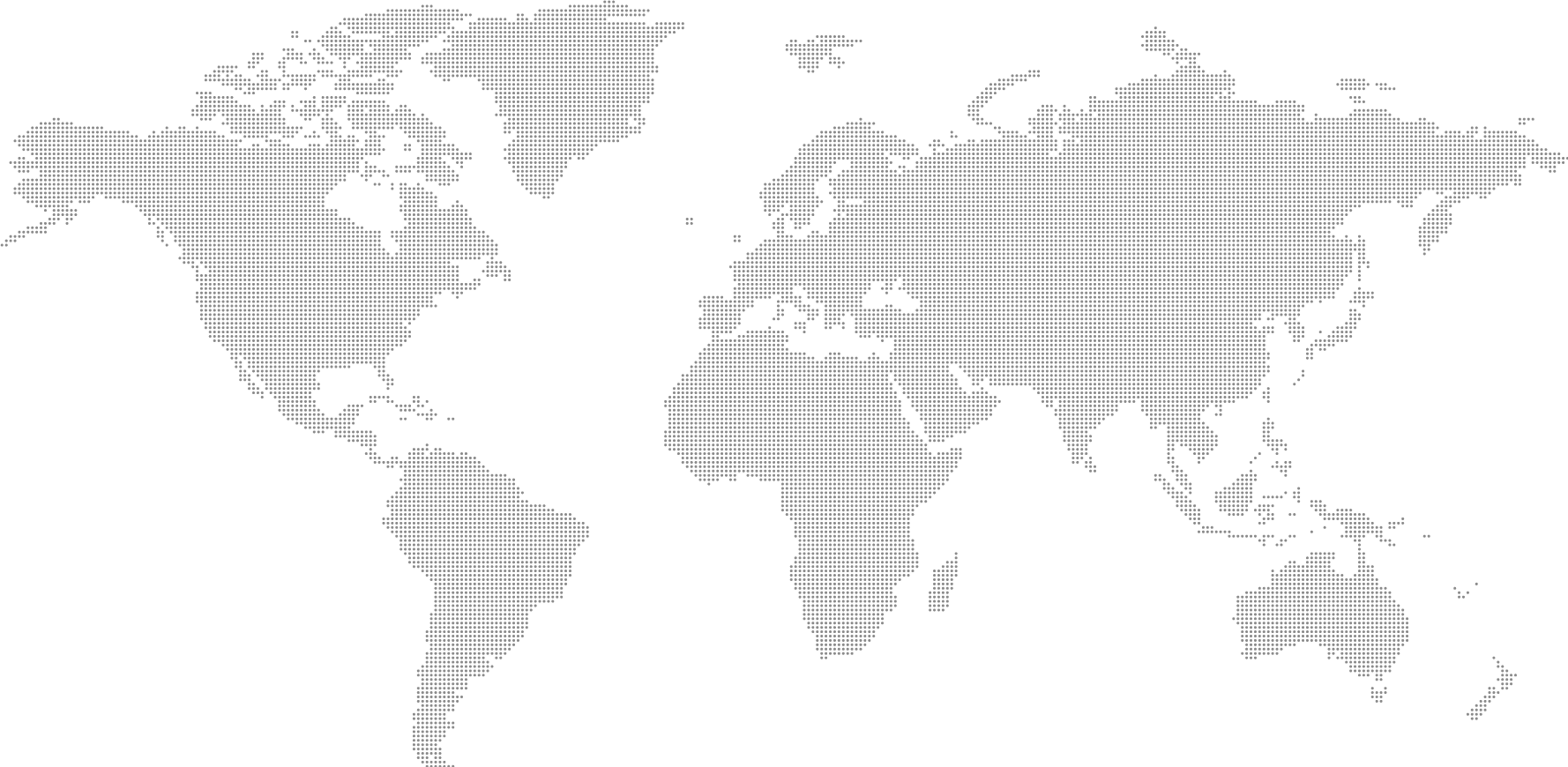
Find your local Tack TMI office by clicking on your region on the map below.
 Algeria
 Libya
Libya
 Morocco
 Nigeria
 Tunisia
 China
China
 Hong Kong
 India
India
 Indonesia
 Japan
Japan
 Macau
Macau
 Malaysia
 Myanmar
 Singapore
 Thailand
 Vietnam
 Australia
 Austria
 Bulgaria
 Croatia
 Cyprus
 Denmark
 France
 Germany
 Greece
 Ireland
 Italy
Italy
 Lithuania
 Montenegro
 Poland
 Portugal
 Romania
 Serbia
 Spain
Spain
 Switzerland
 Turkey
 Ukraine
 United Kingdom
 Argentina
 Brazil
 Chile
Chile
 Colombia
 Bahrain
 Egypt
Egypt
 Jordan
 Kuwait
 Lebanon
 Oman
Oman
 Qatar
Qatar
 Saudi Arabia
 Syria
Syria
 United Arab Emirates
 Yemen
Yemen
 Canada
 United States of America
Algeria
Partner for the Middle East and North Africa
Libya
Partner for the Middle East and North Africa
Morocco
Partner for the Middle East and North Africa
Nigeria
Partner
Partner
+234 1 2706003, or
+234 8057006060 Mail: tayo.rotimi@mactayconsulting.com and elizabeth.rotimi@mactayconsulting.com
Tunisia
Partner for the Middle East and North Africa
China
Partner
Hong Kong
Partner for China, Hong Kong and Macau
India
Partner
Indonesia
Partner
Director
Director
+62 21 666 90 777 Mail: ferryatm@mditack.co.id siska_atmadi@mditack.co.id reyatmadi@mditack.co.id
Japan
Partner
Macau
Partner for China, Hong Kong and Macau
Malaysia
Partner
Myanmar
Partner for Singapore, Thailand, Vietnam and Myanmar
Myanmar
Centrally manages projects in Myanmar
Singapore
Partner for Singapore, Thailand, Vietnam and Myanmar
Thailand
Partner for Singapore, Thailand, Vietnam and Myanmar
Vietnam
Partner for Vietnam.
Vietnam
Centrally manages projects in Vietnam
Australia
Centrally manages projects in Australia
Australia
Partner
Austria
Partner
Bulgaria
Business Manager
Croatia
Partner
Cyprus
Partner
Cyprus
Centrally manages projects in Cyprus
Denmark
Partner
Denmark
Partner
France
Director of Global Sales
124 BD Haussmann – 75008 Paris - France
Germany
Director of Global Sales
Neuer Zollhof 3, D-40221 Düsseldorf - Germany
Greece
Corporate Development Director
Ireland
Italy
Country Manager
Lithuania
Country Manager
Daukanto g. 8, Kaunas
Lithuania
Partner
Senior Consultant, Business Manager
sigita@tmilietuva.lt
Montenegro
Partner
Poland
Business Director
Portugal
Partner
Romania
Partner
Romania
Partner
Serbia
Partner
Spain
Partner
Madrid: +34 914355146 Mobile: +34 600449591 Mail: carlosalonso@tmi.es
Switzerland
General Manager
Turkey
Head of Learning
Ukraine
Partner
United Kingdom
Argentina
Partner
Brazil
Business Director
Chile
Partner
Colombia
Country Manager
Bahrain
Director of Global Sales
Egypt
Director of Global Sales
Jordan
Director of Global Sales
Kuwait
Director of Global Sales
Lebanon
Director of Global Sales
Oman
Director of Global Sales
Qatar
Director of Global Sales
Saudi Arabia
Director of Global Sales
Syria
Director of Global Sales
United Arab Emirates
Director of Global Sales
Yemen
Director of Global Sales
Canada
Director of Global Sales
United States of America
Director of Global Sales
Interested in becoming a partner and helping us grow globally?


